
Arrest Warrants in Robertson County
An arrest warrant is court process that lets a peace officer take a person into custody on its terms. Texas courts can issue one after a sworn complaint or affidavit supports a probable-cause review. The issuing court keeps the case file. The sheriff does not clerk every matter, so the record desk you need depends on the charge. In Robertson County, felonies generally run through the 82nd Judicial District Court, while county-court misdemeanors, JP fine-only matters, and municipal Class C cases each use separate courts and files. A Most Wanted page is optional and curated; it is not the legal authority behind an arrest.
Robertson County Arrest Warrant Courts
The right clerk depends on the case under the warrant. District files go through the District Clerk, county-court records through the County Clerk, and fine-only citations through the named JP or municipal clerk in Robertson County. Ask each clerk to name the process type before you plan an appearance.
Robertson County District Clerk
103 E Morgan Street, 2nd Floor Annex, Franklin
979-828-3636
What a Robertson County Arrest Warrant Contains
Texas law sets out what a warrant and its affidavit contain, but public Robertson County tools show no complete warrant detail card and no countywide number format. The clerk of the issuing court is the reliable source. Ask for the cause number, the court, the process type, any releasable issue or execution date, and the correct way to check status.
| Sample cause number | 26-00-XXXXX-CR is synthetic, not a live case. |
|---|---|
| Issuing court | District, county, JP, or municipal court named on the underlying case. |
| Process | Ask whether it is an arrest warrant, capias, FTA, alias, or capias pro fine. |
| Affidavit | Article 15.26 addresses access after execution, subject to other law. |
| Bond | Confirm the amount and accepted type with the court or jail; no county schedule was found. |
| Date | Ask what issue, execution, or recall date the clerk can disclose. |
Robertson County Arrest Warrants After Execution
Under Texas Code of Criminal Procedure Article 15.26, an arrest warrant and its supporting affidavit become public once the warrant is executed, subject to other law. That rule opens records after execution; it does not create a live pre-execution search in Robertson County. Sealed, juvenile, and otherwise protected material may stay closed regardless. If a warrant is still unexecuted in your own case, the issuing clerk or your lawyer can explain what may be disclosed and how to resolve the process. The sheriff can only speak for the records and systems it holds. Remember that a public list's silence does not make the underlying warrant disappear.
How Robertson County Arrest Warrants Are Served
Several officers can execute process in Robertson County, depending on authority: the Robertson County Sheriff, constables, Hearne Police, Franklin Police, Bremond Police, or DPS, among other peace officers. Franklin Police reports it has no jail or 911 dispatch and relies on sheriff dispatch. City police, the sheriff, and the issuing clerk each answer different questions, so match your call to your question. After an arrest, booking and magistration generate their own records. The jail roster may show custody details, yet it never replaces the issuing court's file. No public page in Robertson County posts a universal bond schedule, surrender desk, or time-to-magistration promise.
Robertson County Jail and Arrest Warrants
A warrant, an arrest, a booking, magistration, bond, and release are separate events in Robertson County. You can have a warrant without ever being booked. A roster charge may reflect a different hold, and a release does not dismiss the underlying case or erase the court file. If a relative has been booked, use the sheriff's roster for custody context, then ask the jail or the court about the current hold. For a possible warrant before any arrest, call the issuing court with authorization and the case number, and keep the question to the process needed to resolve the matter. The sheriff's jail-information page links magistration context but posts no countywide bond window.
Arrest Warrant vs Summons vs Bench Warrant
A summons orders a person to appear without the same immediate arrest authority. A bench warrant follows a missed court obligation; an arrest warrant rests on probable cause. The issuing court can tell you which was entered and whether counsel should arrange the next step. For missed settings, see the separate bench warrant process.
| Feature | Arrest Warrant | Summons | Bench Warrant |
|---|---|---|---|
| What it orders | Arrest under the warrant's terms | Appear at a stated date or time | Arrest to return to court |
| Basis | Sworn complaint and probable cause | Case filing and appearance notice | Missed court obligation |
| Who issues it | Judge or magistrate | Court or authorized officer | Judge in the underlying case |
| First contact | Issuing clerk and counsel | Court named in the summons | Clerk for the missed setting |
| Ask next | Process, bond, and appearance route | Deadline and required appearance | Recall, new setting, or payment terms |
Federal Arrest Warrants Go to Waco
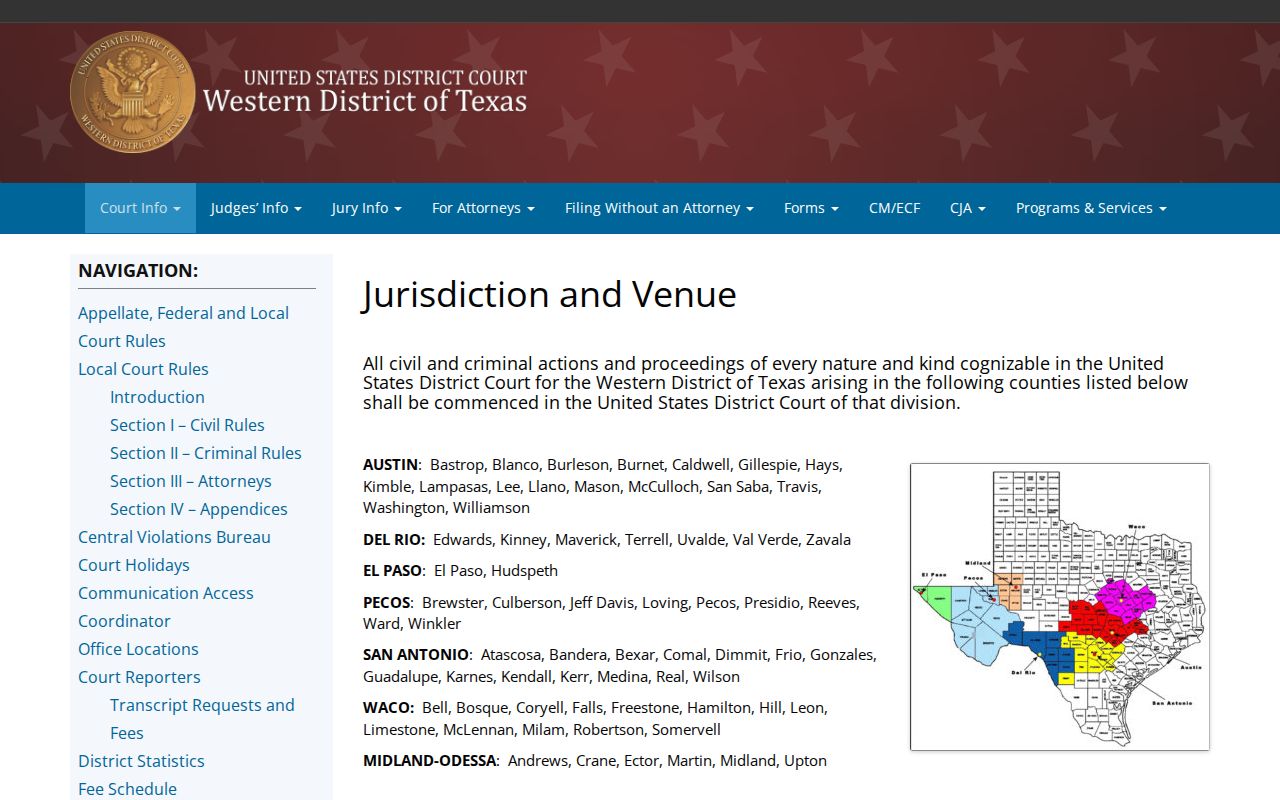
Robertson County sits in the Waco Division of the Western District of Texas, so federal process does not travel through local JP clerks or Robertson TrafficPayment accounts. The federal clerk and your counsel handle case access, and the U.S. Marshals carry out federal executions. The official division page places Robertson County on the district's venue map.
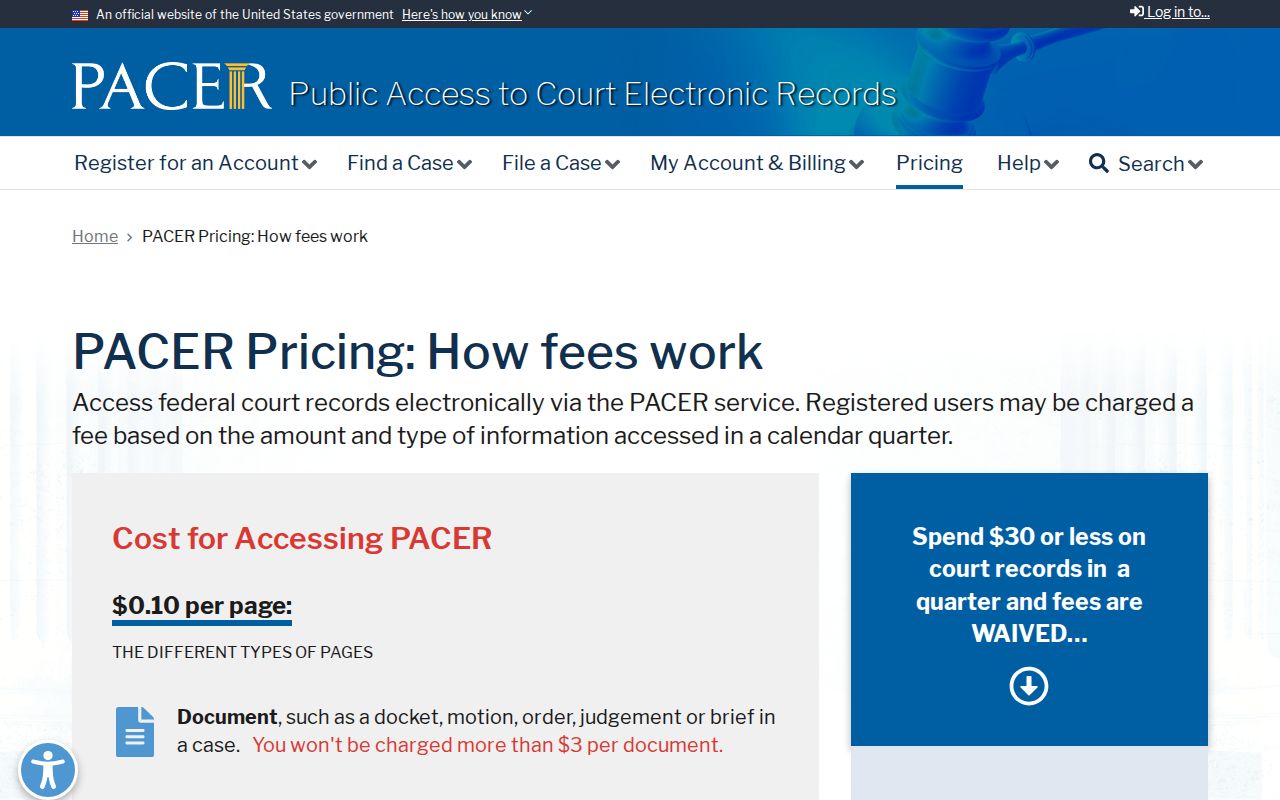
PACER is the official federal docket channel, not a guaranteed live warrant list. Its fee page lists ten cents per page and a three-dollar cap for most documents.
Sealed filings may not surface in public docket tools at all. For any federal concern in Robertson County, get federal counsel rather than reaching for a local payment portal.
What to Do If There's a Warrant for You
Start with the issuing clerk: ask what process exists, whether the case requires an appearance, and whether counsel can arrange a setting or a motion to recall. A fine-only citation and a criminal case may get different answers in Robertson County. No public source here gives one surrender location or one bond rule for every matter.
Important: For an active criminal warrant, consult a lawyer before arranging an appearance or surrender; local pages do not publish one countywide procedure.
Your Robertson County Arrest Warrant Call
Before you call about a possible Robertson County warrant, get your details in order. Write down the court, the cause or citation number, the date of the last setting, and the notice's process label. Then ask pointed questions. Who can confirm the record? Does the court need an appearance, and what bond or recall steps are open to you? Which office will hand over written proof? One caution on what you send. Avoid emailing extra Social Security, medical, or license data unless a court offers a secure method. Juvenile matters follow a separate privacy rule, since Texas Family Code Section 58.010 bars public access to juvenile arrest warrants and supporting material, so a parent, guardian, appointed counsel, or court-authorized channel should handle those questions. The county overview maps the general routing for a Robertson County warrant, though the issuing clerk remains the source for the actual case.